Technical Game Designer
Gameplay Systems · Game AI · Tools
Kenechukwu Umelo


Role: Programmer II
Tenure: March 2022 - December 2023
Genre: Simulations
Engine/Software: Unity | Plastic SCM | Meta Quest II | Confluence | Jira
Overview:
I began at King Crow Studios as a contractor on the VRTP-B52 project. After a few months, my performance earned me a full-time programmer role.
This position rapidly advanced my scripting skills, moving from VR simulations to backend multiplayer systems. In addition to programming, I collaborated with designers and artists, worked with quality assurance, and took on multiple responsibilities to support the team in a small-studio environment.
VRTP-B52
Contracted fully immersive military training system for the United States Air Force.
Work on Single Player
Upon joining the team, I was immediately assigned to an older version of VRPT-B52 using SteamVR. I had to convert its VR plugin from SteamVR to Unity's XR Interaction Toolkit. In doing so, I contributed to several aspects of this transition.
-
Rescripted UI interaction logic to support new XR interaction systems.
-
Recreated 20+ training simulations utilizing ScriptableObjects covering various areas of the aircraft.
-
Support in testing over 10+ training simulations, noting issues and verifying fixes in the process.
-
Fixed 50+ bugs in areas including audio, simulations, automation events, and systems, maintaining stability.
My Work on Multiplayer
Through collaboration with programmers and quality assurance, I learned to script multiplayer content, expanding the simulation experience to enable up to three users to complete training modules together.
-
Scripted network systems using Unity's GameObjects with Netcode to sync several systems (Radios, Knobs, and Cockpit Buttons) over the network.
-
Designed lobby scene and scripted up to three players to queue up at a time.
-
Fixed the majority of syncing issues with event calls via UI hover interactions.
-
Supported in weekly testing with all training simulations, ensuring a polished multiplayer experience.
S.T.E.P.S TRAINING XR
Working on S.T.E.P.S XR allowed me to be more creative with the training simulations and modes. I utilized the HurricaneVR plugin, which was fun to learn and experiment with before diving into tasks.
As a designer on this project, I had ownership over creating a training simulation and game mode from the ground up.
Fire Safety Training Simulation
Since most of the simulation reuses 90% of the systems from VRTP-B52, I focus on assembling the simulation. Here is what I did:
-
Designed level layouts for both office and warehouse locations for fire training simulation.
-
Rescripted grabbable fire extinguisher logic, resolving underlying interaction issues.
-
Implemented new interaction mechanics into existing simulation systems from VRTP-B52.
Weapons Training Mode
From prototype to completion, I worked on all parts of the weapons training mode, including gameplay, UI, and setup menus. The systems and weapons are borrowed from HurricaneVR.
-
Designed level layouts for two weapon training locations.
-
Scripted initial menu setup scene for users to customize their weapon training experience with weapons, targets, and location.
-
Implemented Audio and VFX library systems to reference audio or effects via strings rather than hard referencing.
Unreleased Multiplayer Project
*Due to confidential information, I cannot give full details.
However, I have permission to replicate concepts of my work in-engine that don't reflect the current state.
In April 2023, the company spun up an idea for a fun multiplayer party game, which went immediately into development throughout 2023.
Technical Design
-
Prototyped and iterated on five mini-games from concept to completion.
-
Designed NPC creation tools leveraging C# and polymorphism to reduce time in populating NPCs for the team.
-
Contributed towards refining and polishing features for gameplay mechanics and multiplayer features using Normcore.
-
Pitched ideas in design sessions for creating debug tools to improve testing efficiency for new mechanics.
Game Programming
-
Extended Normcore's microphone input logic to feature an optional input and output audio selection.
-
Handled sound logic using Unity's mixer audio to allow players to adjust audio for proximity chat and game volume.
-
Implemented several sound VFX scripts for game objects and scripted ambient sound managers in the game environment.
-
Worked on implementing multiplayer features, such as player icons to identify players in the open space.
Quality Assurance
-
Participated in weekly playtesting sessions to help the QA Analyst execute test cases.
-
Fixed numerous bugs within several realms of the game, such as UI, network, minigames, and audio.
Concepts of Minigames I Did
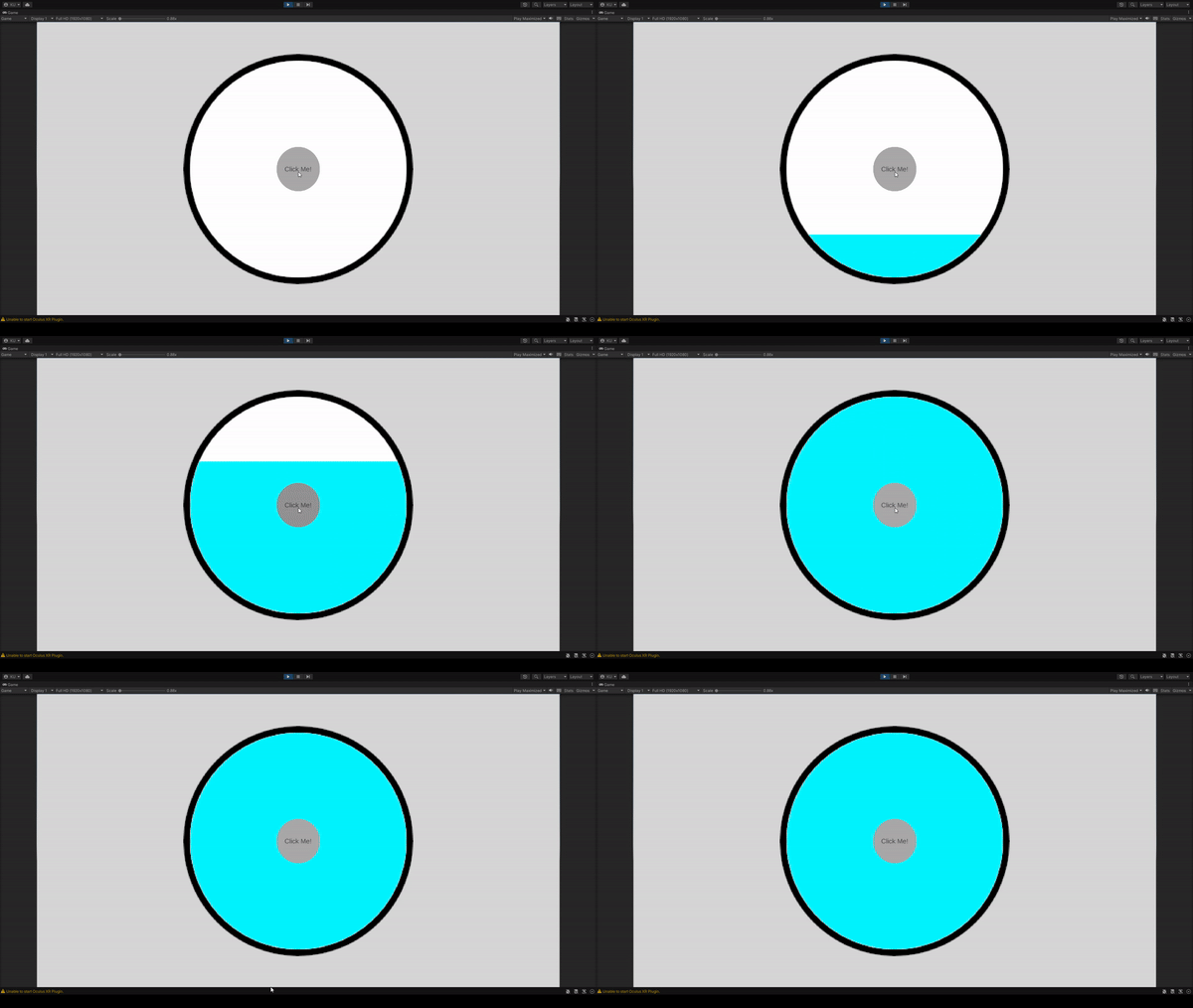
Button Click
The very first minigame I worked on in this project. The goal of this game was to be simple and easy to complete.
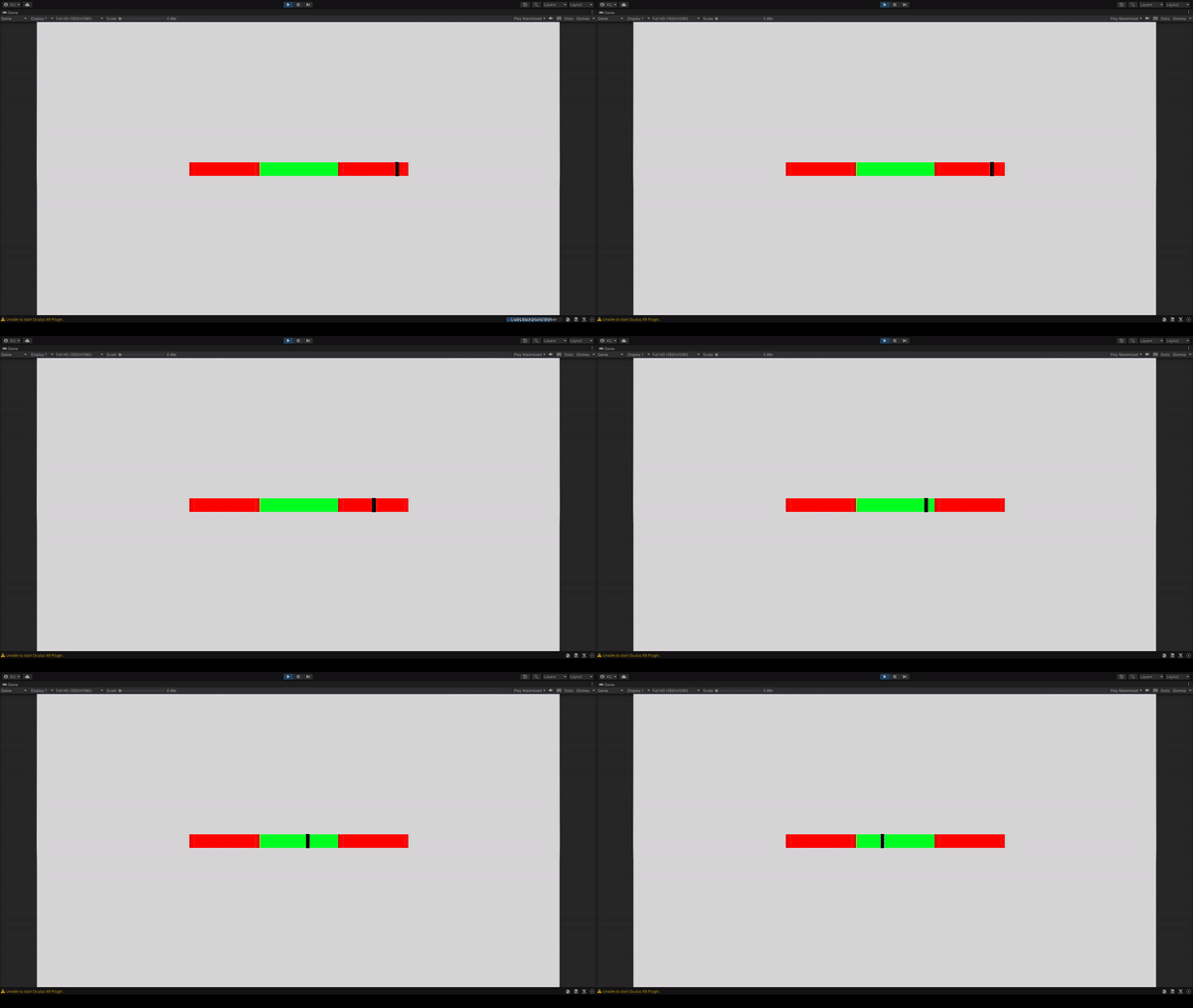
Slider Bar
I initially pitched this minigame and implemented it using the pinning slider system from the WWE 2K games as a reference.
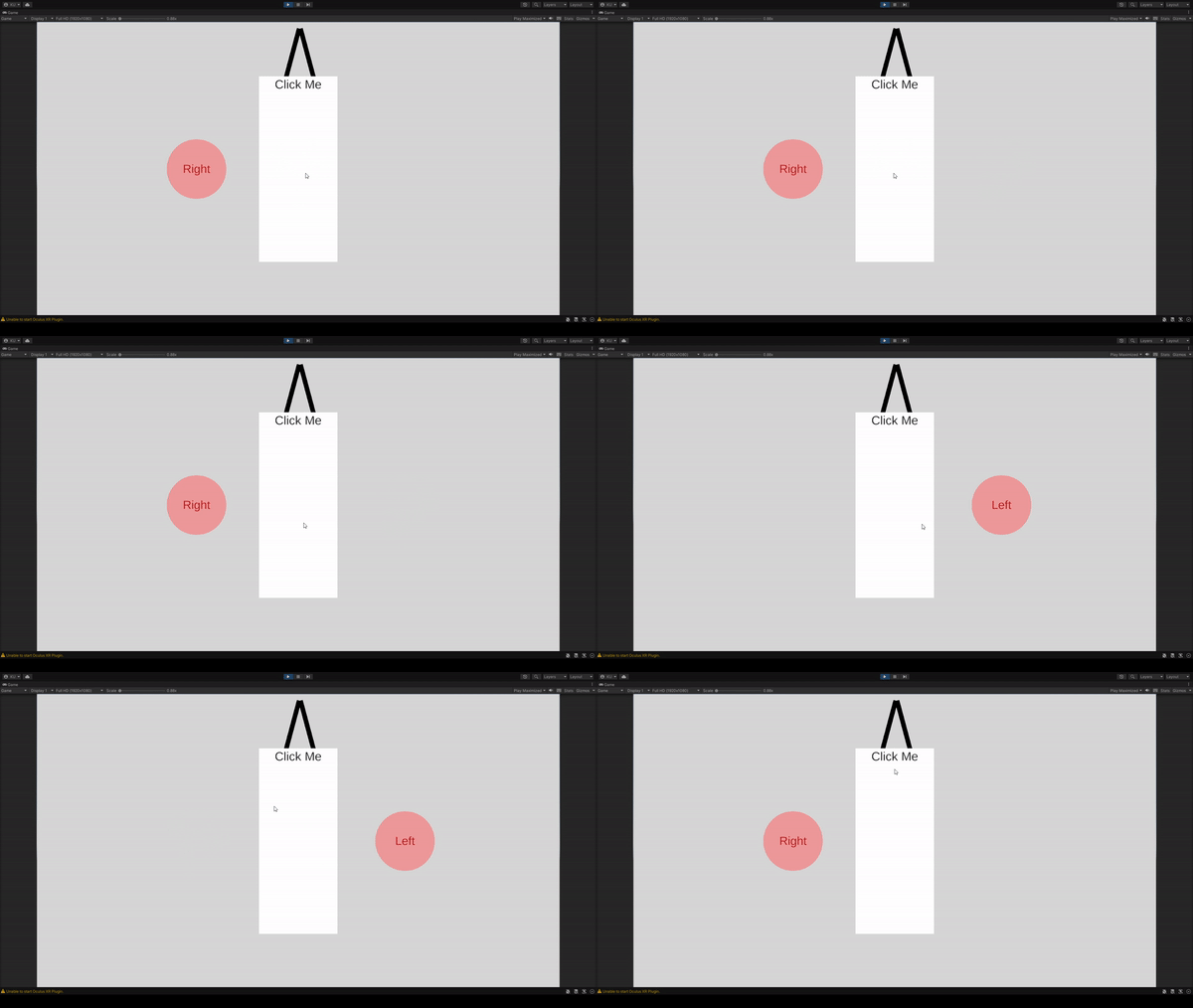
Button Switch Clicking
I took on this minigame as a design challenge for myself, as I had to implement a way to toggle between both left and right mouse clicks.
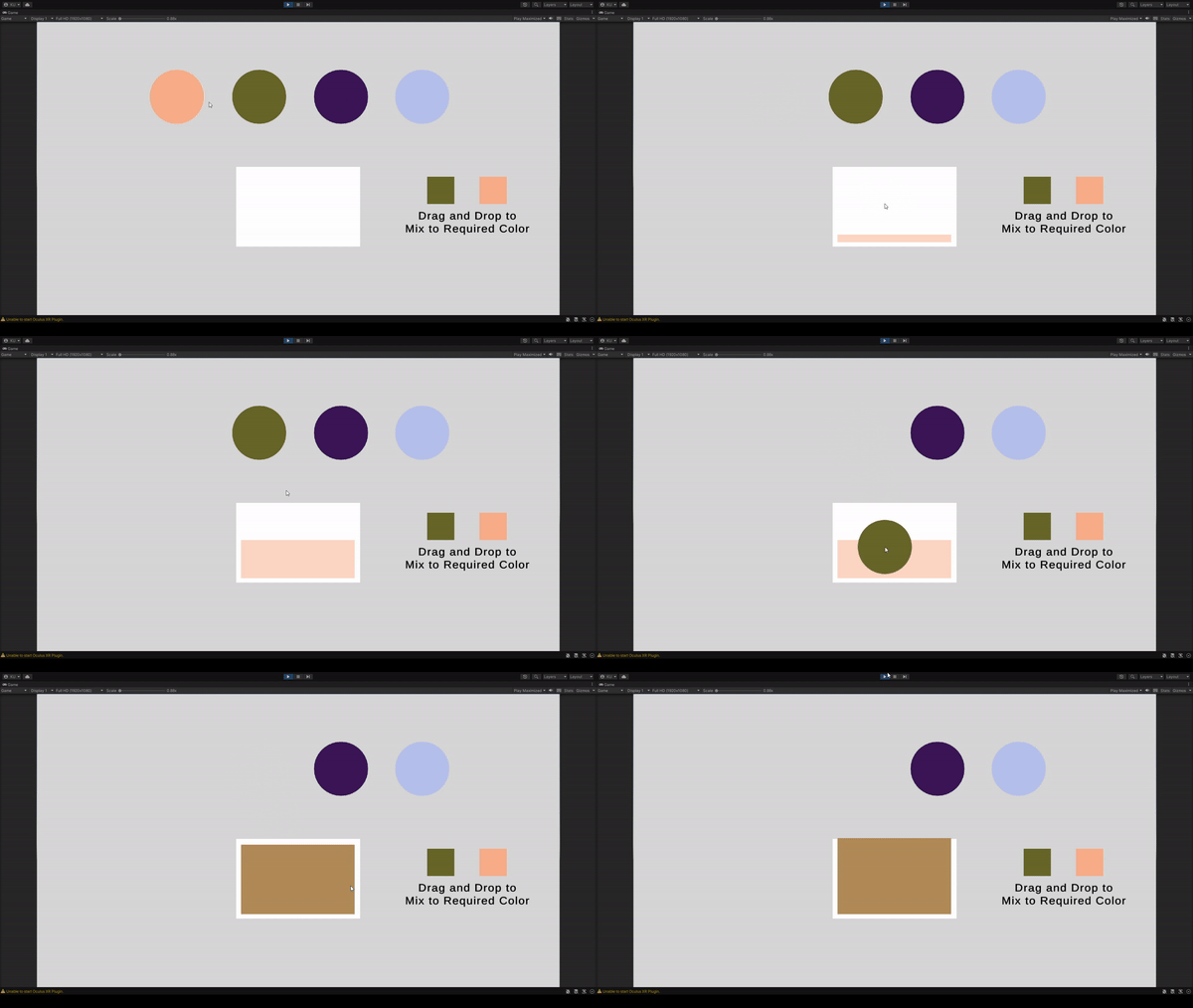
Color Mixing
This is my favorite minigame I've done for this project! I took inspiration from how my sister uses her hair color products and used it to craft this minigame.
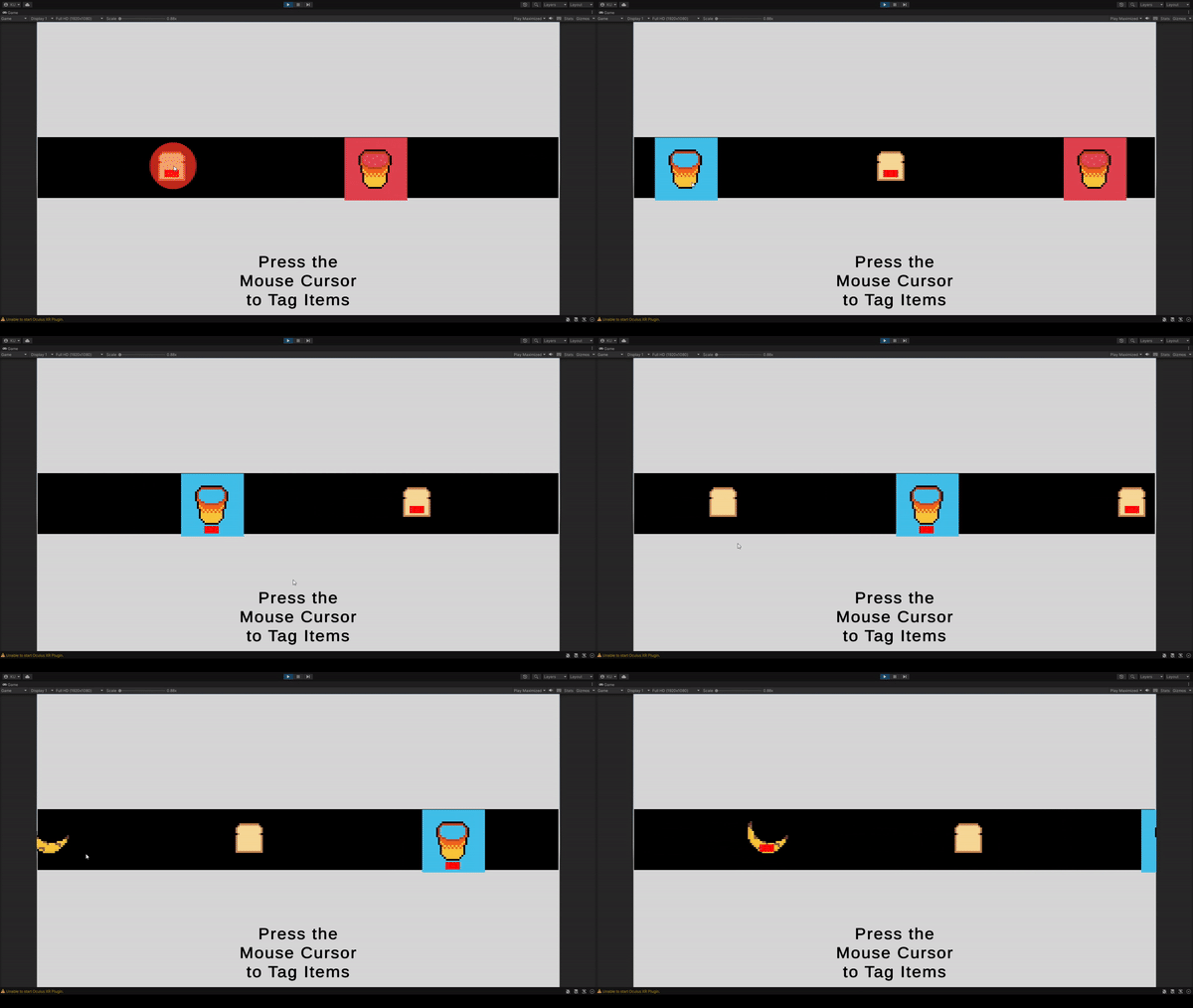
Item Tagging
The last minigame I worked on was before moving on to different tasks for the project. This one just needed to be simple. I brainstormed it as a scanning system similar to a grocery store when checking items out.